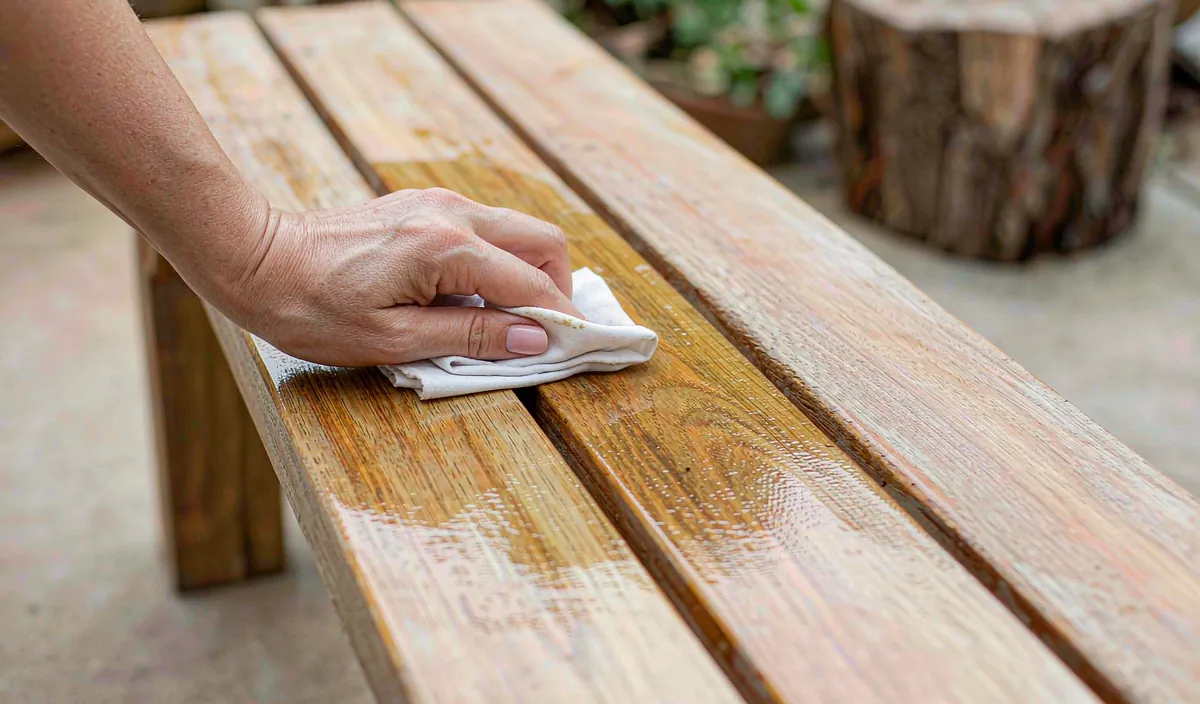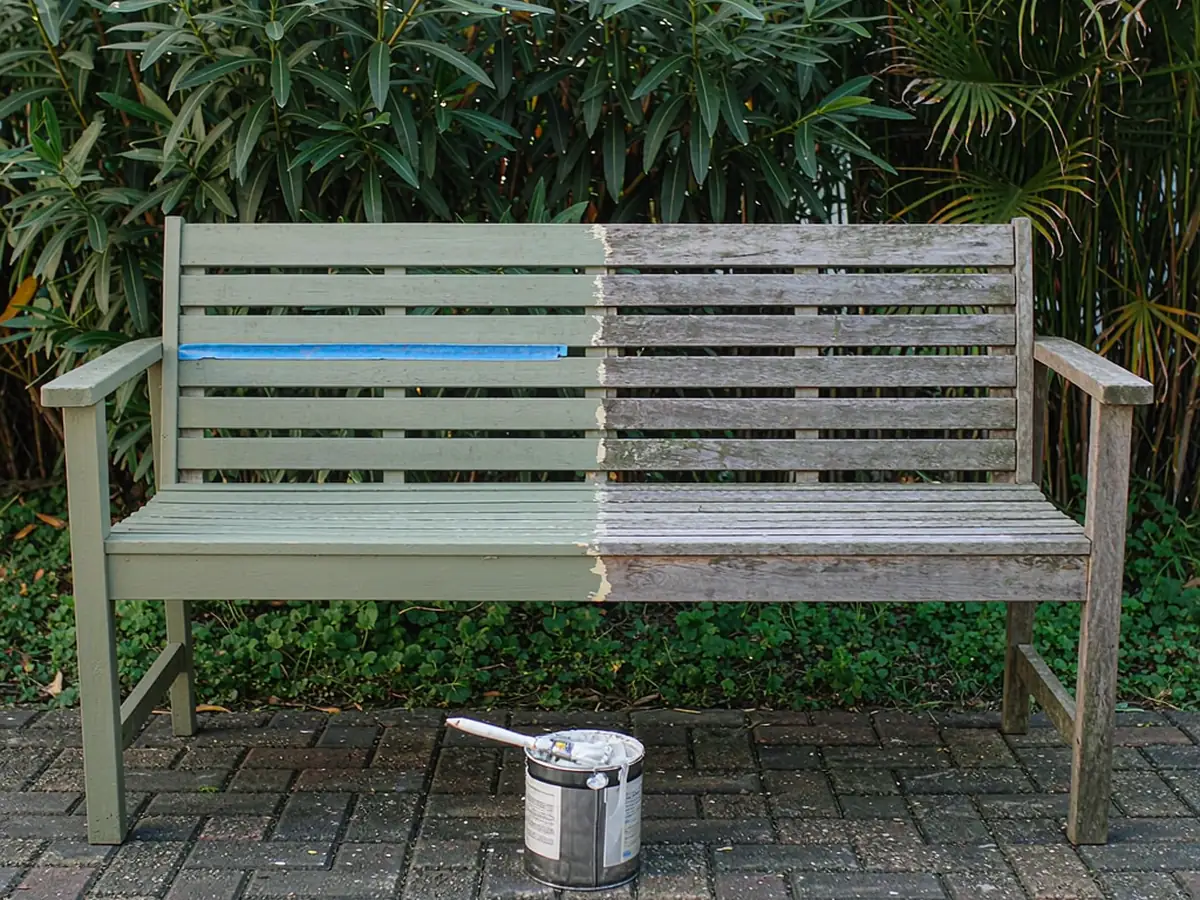
Most bench paint fails at the wood, not in the can. Sand it, prime it and wait for the wood to dry, and two thin coats will outlast five rushed ones.
Outdoor Wooden Bench
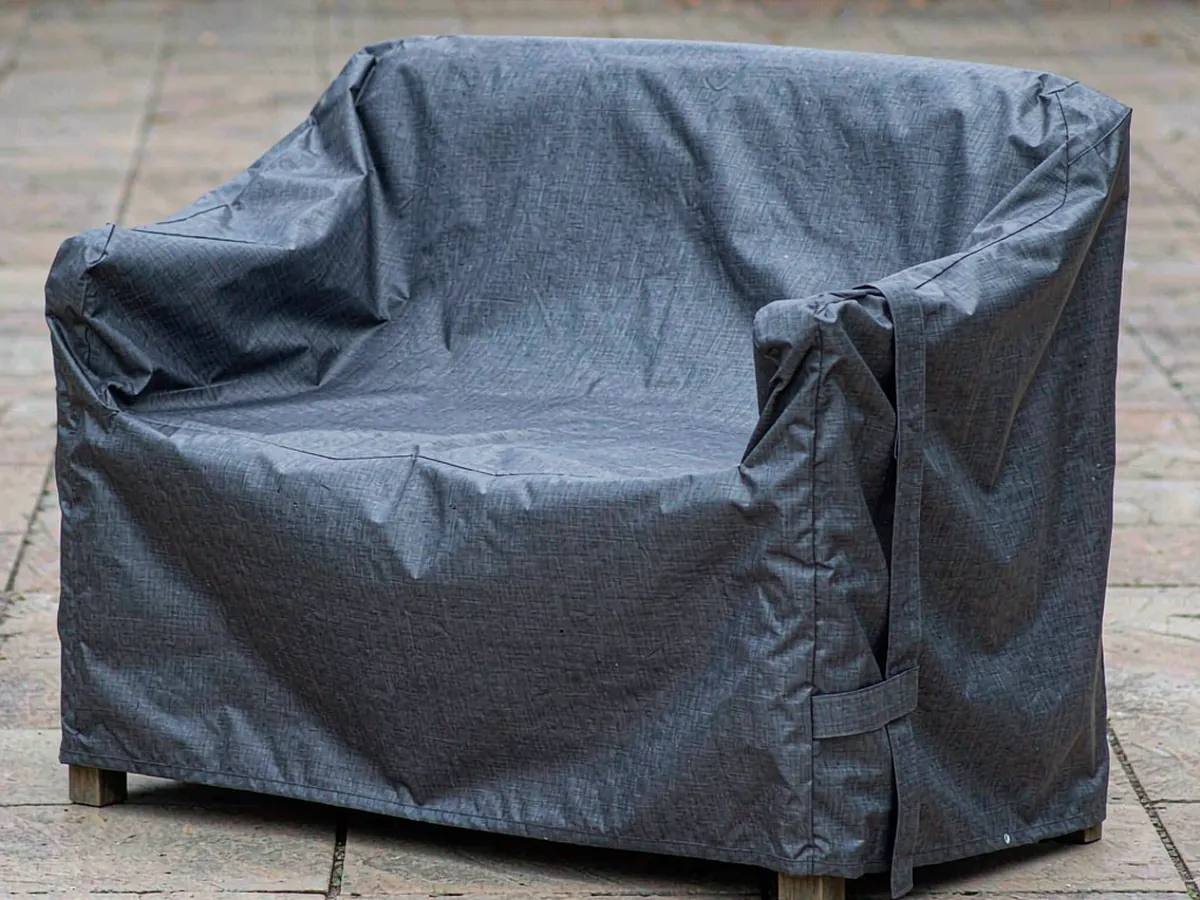
- A cover fails for two reasons: it is too small, or it cannot breathe. Measure first, then argue about waterproof ratings.
- Most cushion returns come down to two numbers: the seat size and the thickness. Measure those first, then argue about filling, fabric and color.
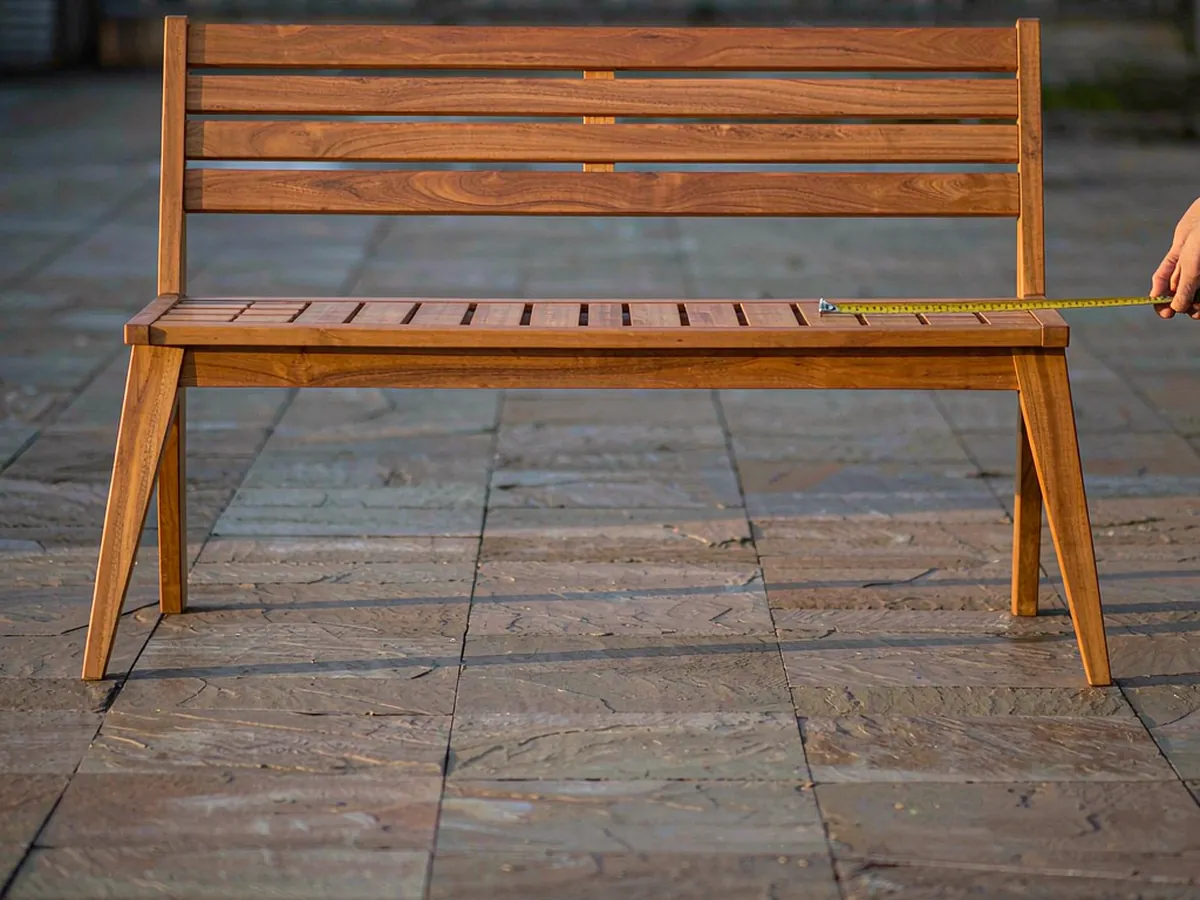
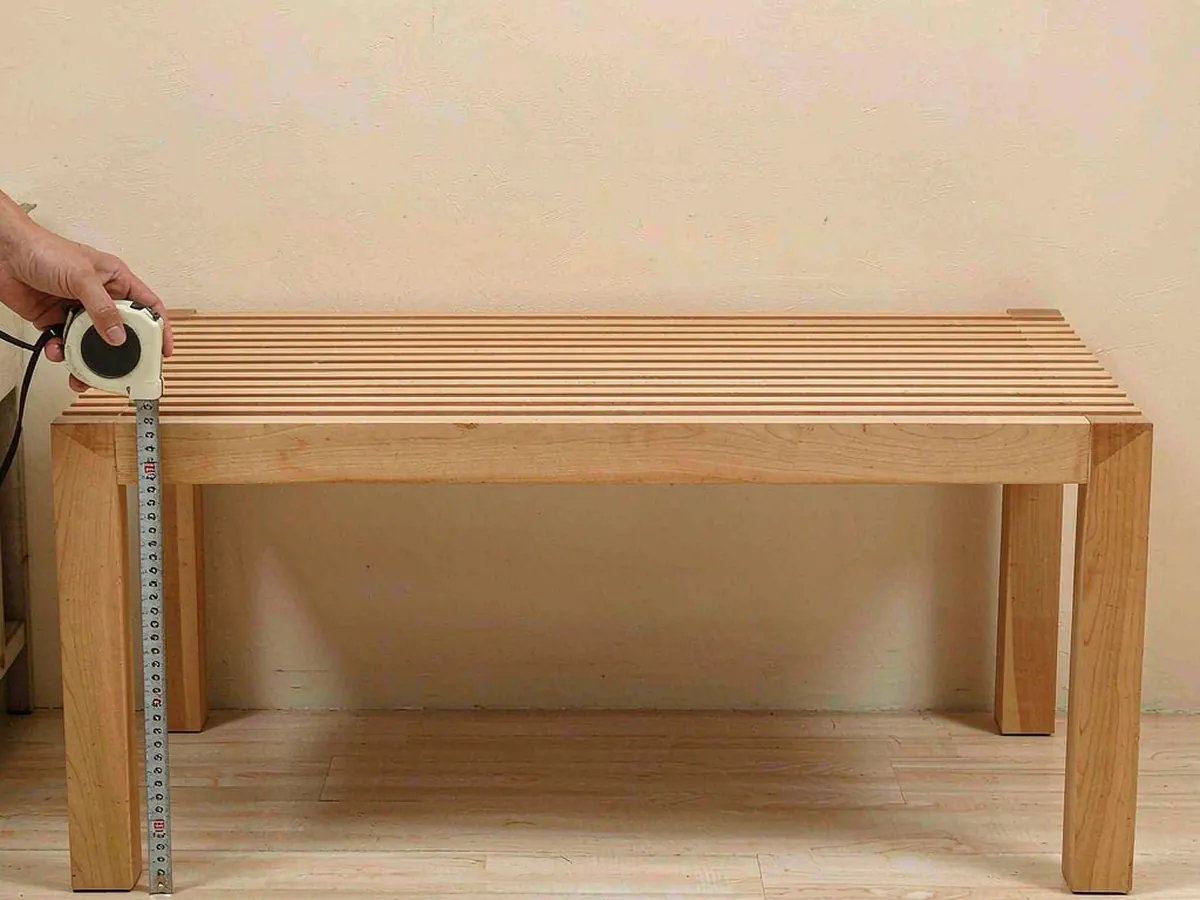
- Four numbers in inches decide whether a bench ever gets used. Here is the size chart for six common benches, plus the three measurements worth taking on your own body first.
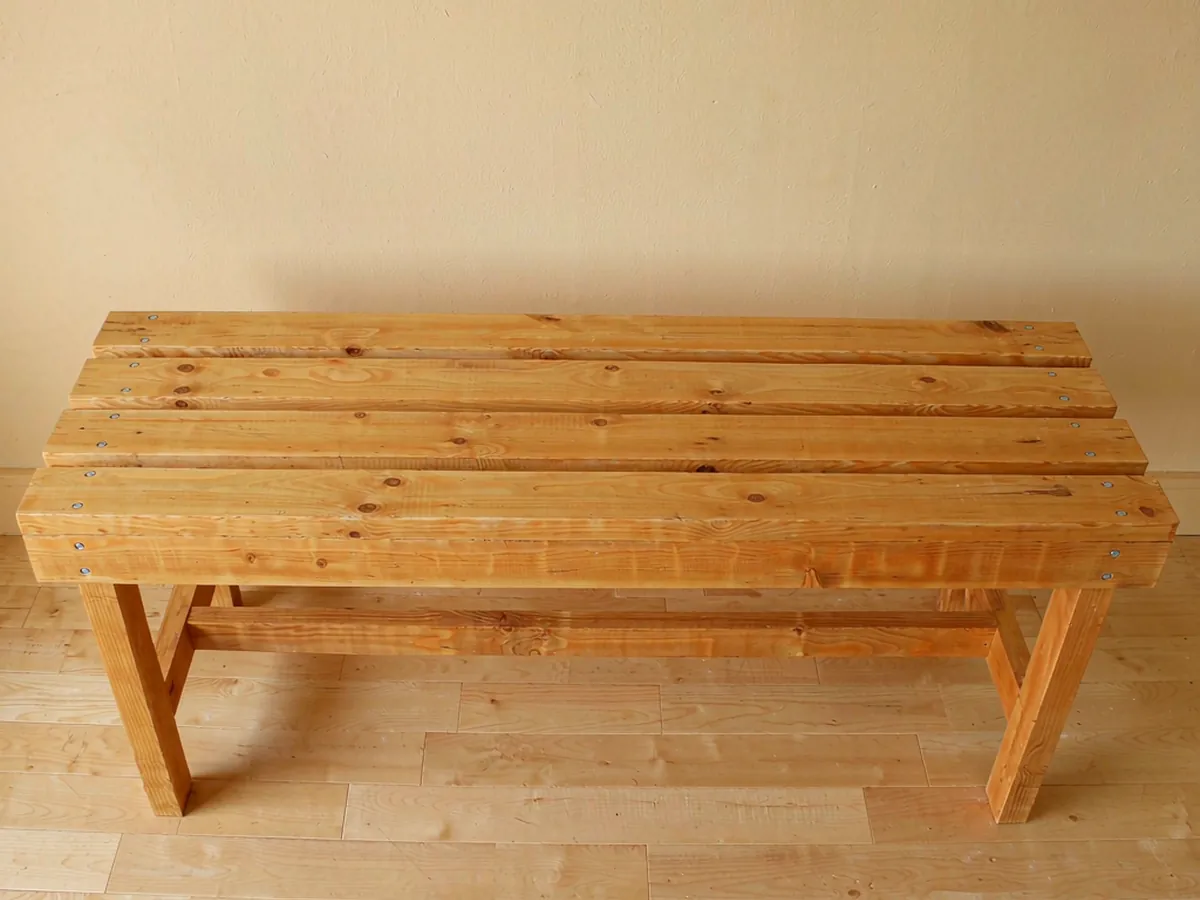
- Five boards, two screws per joint and no fancy joinery. Here is a 48-inch slat bench you can cut, screw and oil in one afternoon.
- A wooden bench needs two things. Water has to run off it, and the wood has to hold a little oil. Here is the wash, the oil, the gray and the winter, in order.
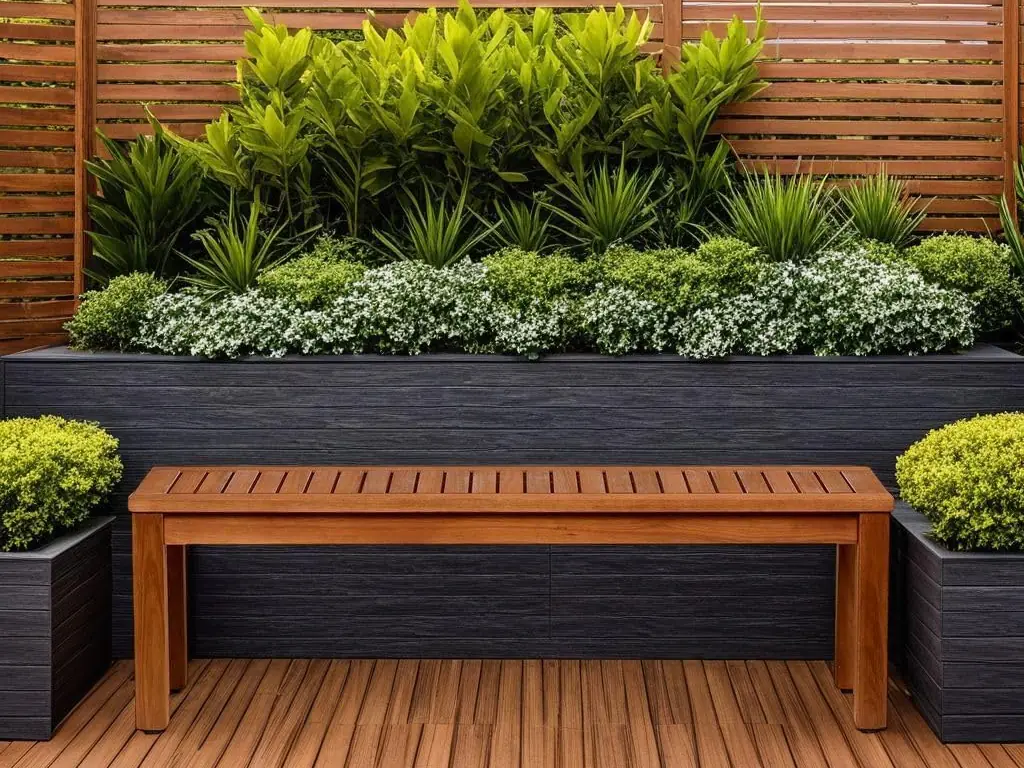
- A close look at the Amazonia Aster backless eucalyptus bench - a 53-inch, 25-pound seat that holds 450 pounds, moves with one hand, and works indoors or out.
- A park bench is the most sat-on seat outdoors. Here is how the maker builds it, why hardwoods last, and what to borrow for a bench at home.
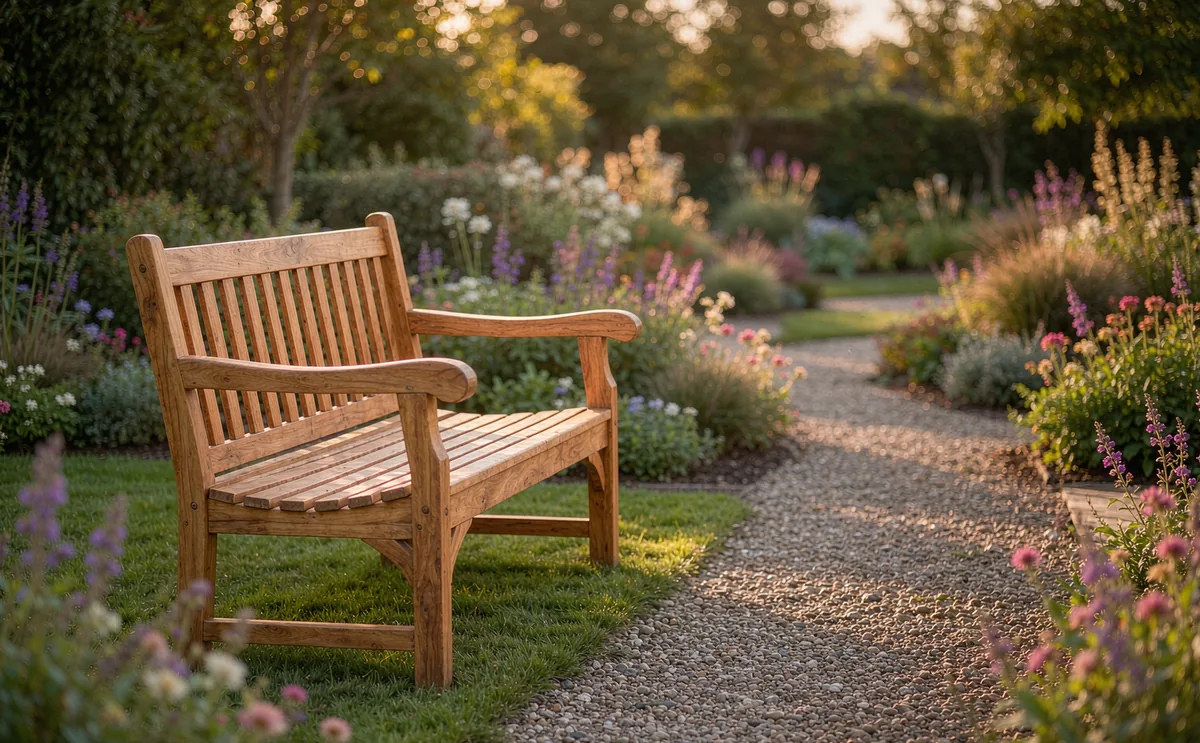
- A small wooden bench does more per foot than any other seat outdoors. Here is where it fits, what to look for, and how to build one in a day.
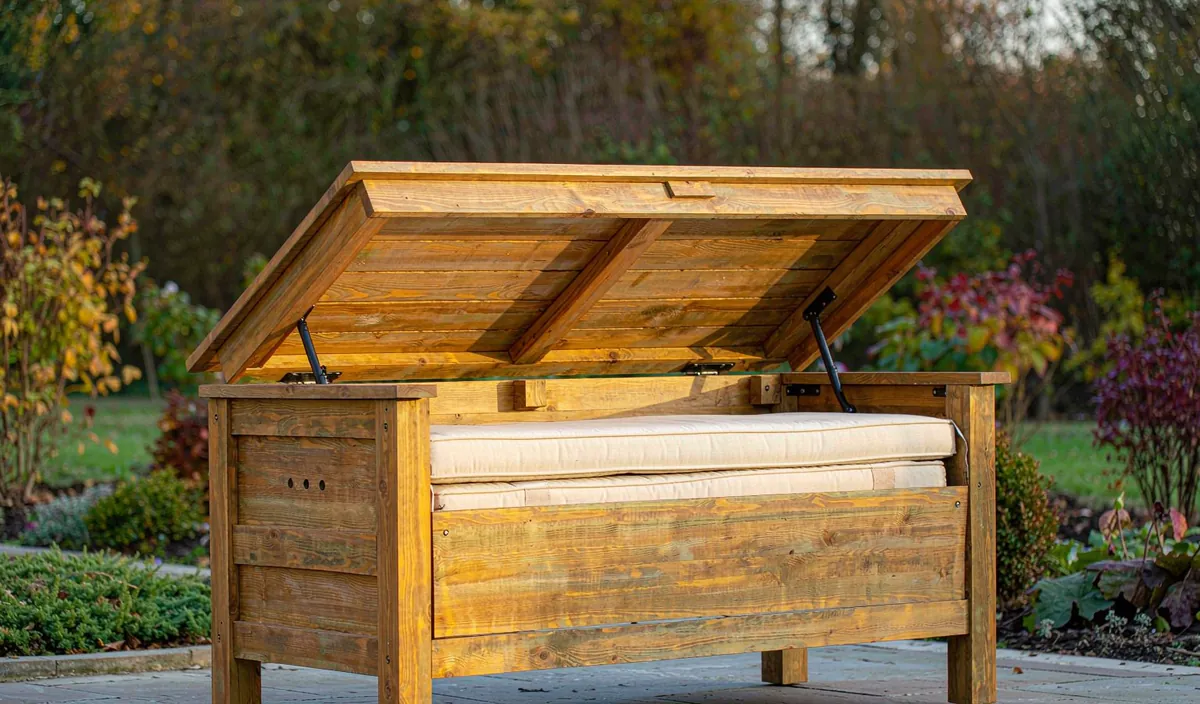
- A patio storage bench is a seat with a box under it. Here is what fits inside, what should never go in, and the one thing that decides whether the box stays dry.
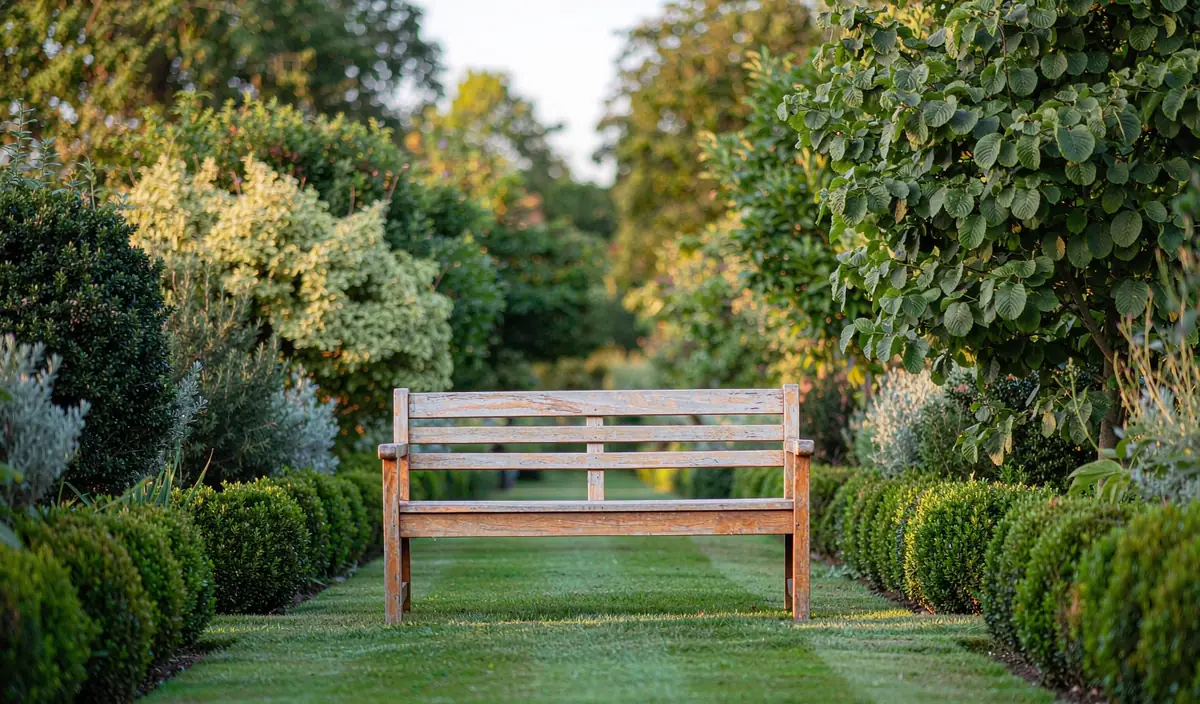
- Eight places a garden bench earns its keep, the iron and wood builds that survive outside, what each price band buys, and the half hour a year that keeps a wooden one going.
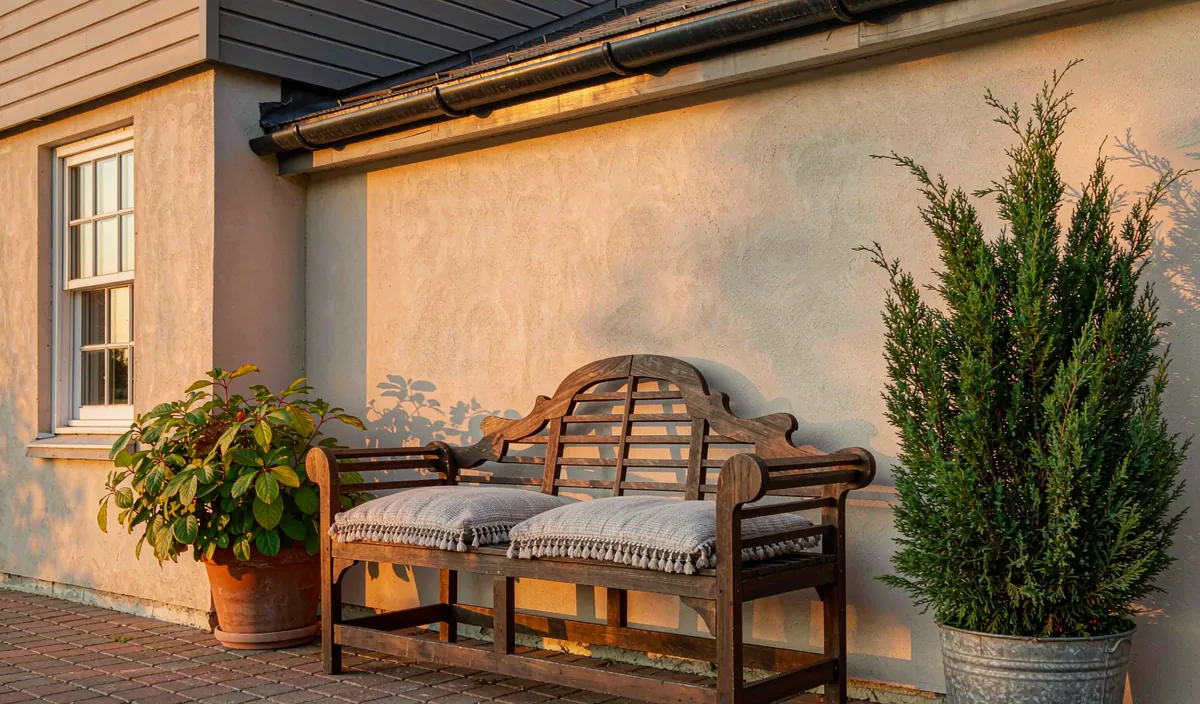
- Seat height, width, wood choices and placement - the six numbers and four layouts that decide whether a patio bench gets used every evening or becomes an expensive plant table.
Outdoor Wooden Bench: 5 Types Compared
- Published on
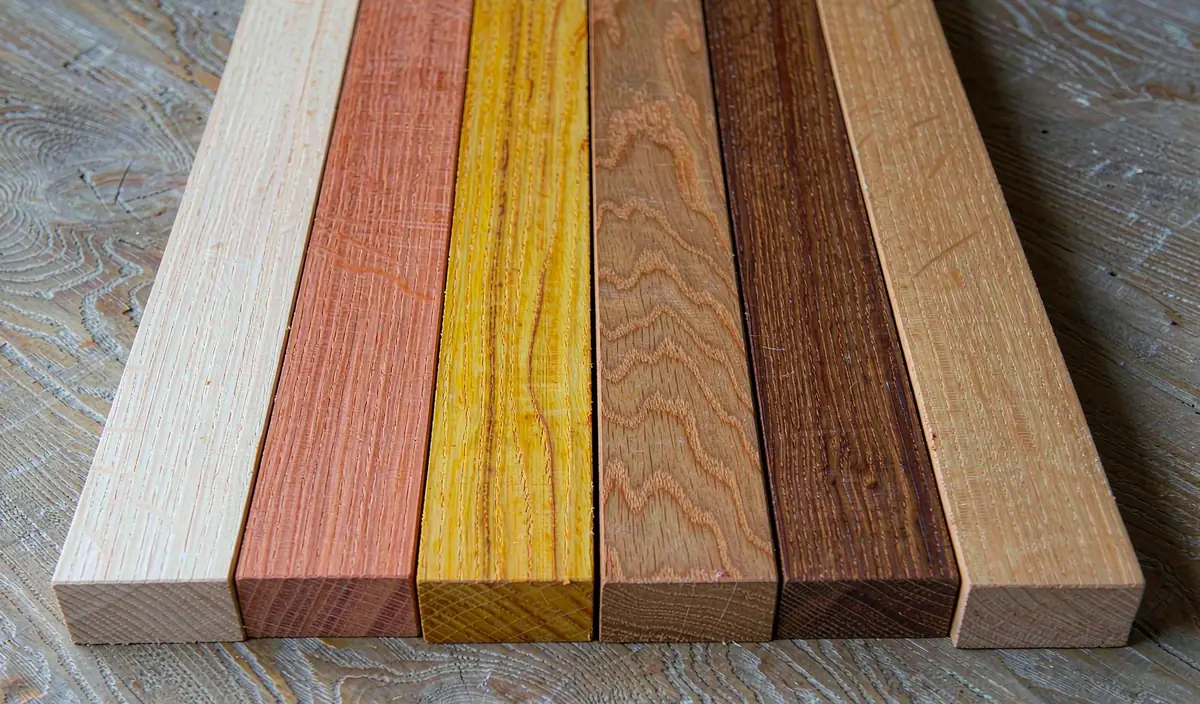
Teak, cedar, acacia, eucalyptus and pressure-treated pine side by side - lifespan, maintenance, cost and the climates each one suits.- A decision order that works: climate first, then size, then wood, then style. Get the order right and the shortlist builds itself.